

AI Phishing: How Artificial Intelligence Is Redefining Cyber Threats and What It Means for Your Digital Wellbeing
September 14, 2026
Doomscrolling: Why We Keep Scrolling and How to Stop
September 26, 2026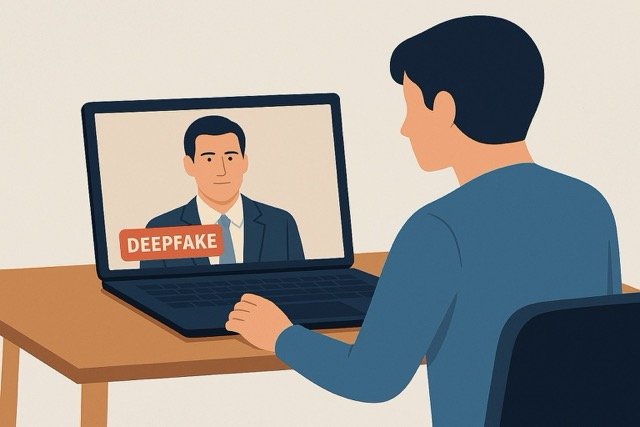
Generative artificial intelligence has transformed the way people create and consume digital content. From creative design to education and communication, AI offers powerful new possibilities. However, alongside these benefits comes a growing and serious risk: deepfakes.
Deepfakes are no longer a niche technological curiosity. They represent a rapidly evolving threat that affects trust, mental wellbeing, and personal safety in digital spaces. Understanding deepfakes—and learning how to respond to them thoughtfully—is now an essential part of digital wellbeing.
What Are Deepfakes?
Deepfakes are artificially generated or manipulated images, videos, or audio recordings that convincingly imitate real people. Using generative AI models, attackers can make it appear as though someone said or did something that never happened.
What makes deepfakes especially dangerous is their realism. Even a single image or a short sample of someone’s voice can be enough to create a convincing fake. As more personal content is shared online, the raw material for deepfakes becomes increasingly easy to obtain.
How Deepfakes Are Used in Cybercrime and Social Engineering
1. Impersonation and Fraud
Cybercriminals use deepfakes to impersonate trusted individuals such as:
- Human resources staff
- IT support personnel
- Managers or executives
In some cases, attackers even appear in live video calls, using AI-generated video and voice to convince employees to share sensitive information or take risky actions.
2. Spreading Misinformation
Deepfakes are also used to spread false or misleading content online. By making public figures or private individuals appear to say or do harmful things, deepfakes can:
- Damage reputations
- Manipulate public opinion
- Undermine trust in digital media
Over time, repeated exposure to false content can create confusion, skepticism, and emotional fatigue.
3. Emotional Manipulation
Like other social engineering attacks, deepfakes often rely on emotional triggers, such as:
- Urgency
- Fear
- Authority
- Pressure to act quickly
These emotional cues are designed to override rational thinking, making people more likely to comply without verification.
Why Deepfakes Are a Digital Wellbeing Issue
Deepfakes are not only a cybersecurity concern—they are a digital wellbeing challenge that affects how people think, feel, and behave online.
Erosion of Trust
When realistic fake media becomes common, people may begin to doubt everything they see or hear online, including legitimate communications.
Cognitive and Emotional Strain
Constantly questioning the authenticity of digital content increases mental load and decision fatigue. This can contribute to stress, anxiety, and reduced confidence in digital environments.
Fear of Misrepresentation
Knowing that one’s image or voice can be misused may discourage people from expressing themselves freely online, affecting autonomy and psychological safety.
Why Online Oversharing Increases Risk
The more images, videos, and audio samples someone shares publicly, the easier it becomes to create a deepfake of them. While sharing online is not inherently harmful, digital wellbeing encourages intentional and mindful participation in digital spaces.
This does not mean withdrawing from technology—but rather understanding how personal data and media can be reused in ways beyond one’s control.
Red Flags of Deepfake and AI Impersonation Scams
Despite their sophistication, deepfake-based attacks still share common warning signs:
- Requests that demand urgent action
- Attempts to provoke fear or panic
- Unusual communication channels or timing
- Requests that bypass normal verification procedures
If something feels wrong, that intuition is often worth listening to.
Protecting Yourself and Supporting Digital Wellbeing
1. Slow Down the Interaction
Deepfakes rely on speed and emotional pressure. Pausing to reflect is one of the most effective defenses.
2. Verify Through a Second Channel
If a message or request seems unusual, verify it through an independent method—such as a phone call or direct message using known contact information.
3. Be Mindful About What You Share
Consider the long-term implications of publicly sharing images, videos, or voice recordings. Digital wellbeing is about balance, not silence.
4. Build Awareness, Not Fear
Education and awareness reduce vulnerability. Understanding how deepfakes work makes them less psychologically powerful.
Deepfakes and the Future of Digital Wellbeing
As generative AI continues to advance, deepfakes will become more realistic and accessible. This makes digital wellbeing skills—critical thinking, emotional regulation, and verification habits—just as important as technical security tools.
In an AI-driven world, protecting our wellbeing means protecting our ability to think clearly, question wisely, and respond mindfully.
Final Thoughts
Deepfakes challenge our assumptions about truth, identity, and trust in digital spaces. While technology will continue to evolve, the foundation of digital wellbeing remains human: awareness, reflection, and emotional resilience.
Don’t let urgency or emotion take control.
Pause. Verify. Think critically.
Your digital wellbeing depends on it.