
Managing Online Coursework Burnout: Digital Wellbeing for Students
February 21, 2026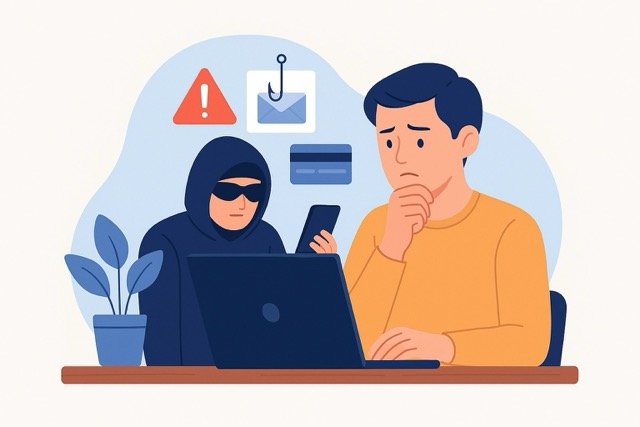
As our lives become more connected, online scams are evolving rapidly across the world. Criminals are using digital tools, fake websites, social engineering techniques, and realistic impersonation strategies to deceive individuals and access private information. Knowing how these scams work—and how to recognize them—is an essential part of digital literacy and digital wellbeing.
This guide provides an educational overview of the most common scam tactics, how to identify warning signs, and the steps you can take to protect your personal information online.
What Are Online Scams?
Online scams are deceptive practices designed to trick individuals into sharing confidential information or making payments. Scammers often create messages, websites, and profiles that look legitimate to gain your trust. Their objective is usually to steal money, access personal data, or commit identity fraud.
Understanding these tactics helps you make safer decisions in digital environments.
Common Online Scam Tactics
Scammers use a variety of methods that appear credible on the surface. Below are some of the most widespread approaches used globally.
1. Fake Job Offers and Recruitment Scams
Online job portals, social media platforms, and messaging apps are commonly used to promote:
- High‑salary job offers
- Remote work opportunities
- Visa or sponsorship promises
- Fake recruitment or placement services
These scams often request:
- Upfront “processing” or “registration” fees
- Copies of passports or identification documents
- Bank or card details under the pretext of verification
Educational insight:
Legitimate employers never request payment during the hiring process. Always verify the company’s website, contact information, and credibility before sharing any details.
2. Imitation of Trusted Websites and Services
Scammers frequently create websites that closely resemble:
- Government portals
- Banking and payment platforms
- Delivery tracking systems
- Online ticketing or toll payment services
These fraudulent sites usually include:
- Misspelled domain names
- Extra characters such as hyphens or numbers
- Unofficial extensions (.info, .live, etc.)
Educational insight:
Before entering sensitive information, ensure the site is secure (https://), check the domain spelling carefully, and consider navigating to the site manually instead of through links.
3. Social Media Scams and Fake Accounts
Social media is often used to promote:
- Fake online stores
- Counterfeit products
- Investment schemes
- Impersonation accounts
- Fraudulent promotional offers
These accounts may use stolen photos, fabricated testimonials, or misleading advertisements to appear trustworthy.
Educational insight:
Check account history, reviews, and whether the business has an official website or customer support channel.
4. Urgent Notification Scams
Messages designed to create panic or urgency are extremely common. These may appear to come from:
- Banks
- Delivery companies
- Subscription services
- Government authorities
They often include statements such as:
- “Your account will be deactivated today.”
- “You have an unpaid fine—click here to pay.”
- “Your package is on hold—update your delivery information.”
Educational insight:
Scammers rely on quick emotional reactions. Taking a moment to pause and verify the message through official channels can prevent fraud.
5. AI‑Driven Fraud and Deepfake Scams
Advances in artificial intelligence now allow scammers to create:
- Realistic voice messages
- Videos that impersonate public figures or loved ones
- Professional‑looking phishing emails
- Automated chatbots that mimic customer service
This makes detecting scams more challenging.
Educational insight:
Be cautious of unexpected digital communication—even if it appears authentic. Always confirm through a secondary, verified method of contact.
How to Protect Yourself: Key Educational Tips
Adopting safe online habits significantly reduces your risk of becoming a victim of fraud.
1. Verify Before You Click
- Visit official websites by typing the address manually.
- Be wary of links received through SMS, email, or social media.
- Look for unusual spelling, grammar, or design elements.
2. Avoid Sharing Sensitive Information
Never provide:
- Passwords
- Banking information
- One‑time passwords (OTP)
- Identification documents
through unverified links or unfamiliar platforms.
3. Question Urgent or Pressuring Messages
Scams often use emotional triggers. If a message tries to rush or alarm you:
- Pause
- Evaluate
- Verify the information independently
4. Use Official Apps and Verified Channels
When handling payments, account updates, or personal data, rely on:
- Official mobile apps
- Verified websites
- Customer service lines from the organization’s contact page
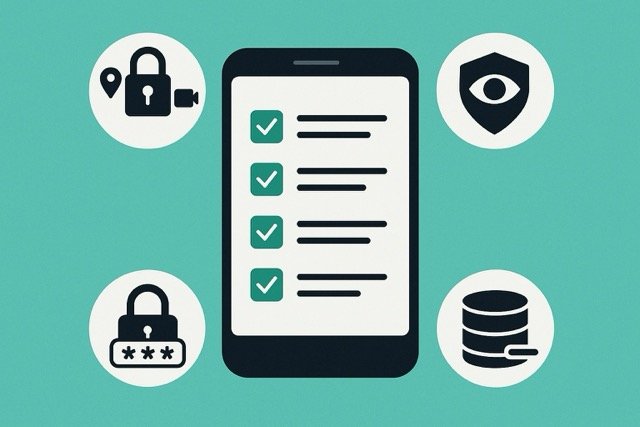
5. Strengthen Your Digital Literacy and Hygiene
Practices that enhance digital safety include:
- Using strong, unique passwords
- Enabling multi‑factor authentication (MFA)
- Keeping apps and devices updated
- Being cautious on public Wi‑Fi
- Reviewing account activity regularly
Conclusion: Building Digital Awareness for Better Online Wellbeing
Online scams will continue to develop as technology grows more advanced. By understanding how scams work and adopting safe digital habits, you protect not only your personal information but also your overall digital wellbeing. Education, awareness, and cautious behavior are your strongest defenses in today’s interconnected world.